Material selection affects overall environmental impact. Aluminum frames, common in commercial umbrellas, require significant energy for initial production but are highly recyclable at end-of-life. Fabric choices range from traditional acrylics to newer eco-friendly options made with recycled content or produced through lower-impact manufacturing processes. Progressive suppliers now offer biodegradable or recyclable canopy options that reduce end-of-life environmental impact.
As we explore the many facets of restaurant umbrellas, it’s essential to consider the various styles available in the market. From traditional designs that evoke a sense of nostalgia to contemporary iterations that embrace modern aesthetics, there is a restaurant umbrella for every taste. Some Buy Nardi Omega Chaise models feature intricate details and finishes that showcase the craftsmanship involved in their production, while others may present a more streamlined silhouette that caters to minimalistic preferences.
By the 1980s, Sunbrella had expanded beyond awnings into marine applications, and by the 1990s, it had become increasingly common in premium outdoor furniture and umbrellas. The early 2000s saw manufacturing improvements that refined the hand feel and aesthetic options, making Sunbrella more appealing for design-focused applications while maintaining its performance characteristics. Today, Sunbrella fabric has become a standard in quality umbrellas, particularly those designed for long-term use in demanding environments where color retention, water resistance, and UV protection are key factors.
As we look to the future of Aluminum umbrellas, the potential for innovation remains vast. Emerging technologies may introduce new materials that further enhance durability while reducing weight. Additionally, smart technology could be integrated into umbrella designs, allowing for features such as weather pool furniture forecasting or automatic adjustments based on environmental conditions. Such advancements would undoubtedly elevate the user experience, making Aluminum umbrellas not only practical but also a reflection of modern living.
Sunbrella’s parent company, Glen Raven, has established a fabric recycling program called “Recycle My Sunbrella” that accepts used fabric for repurposing. This program transforms old Sunbrella materials into industrial products like felt, reducing landfill impact at end-of-life. While not all consumers take advantage of this program, its existence provides a more responsible disposal option than was previously available.

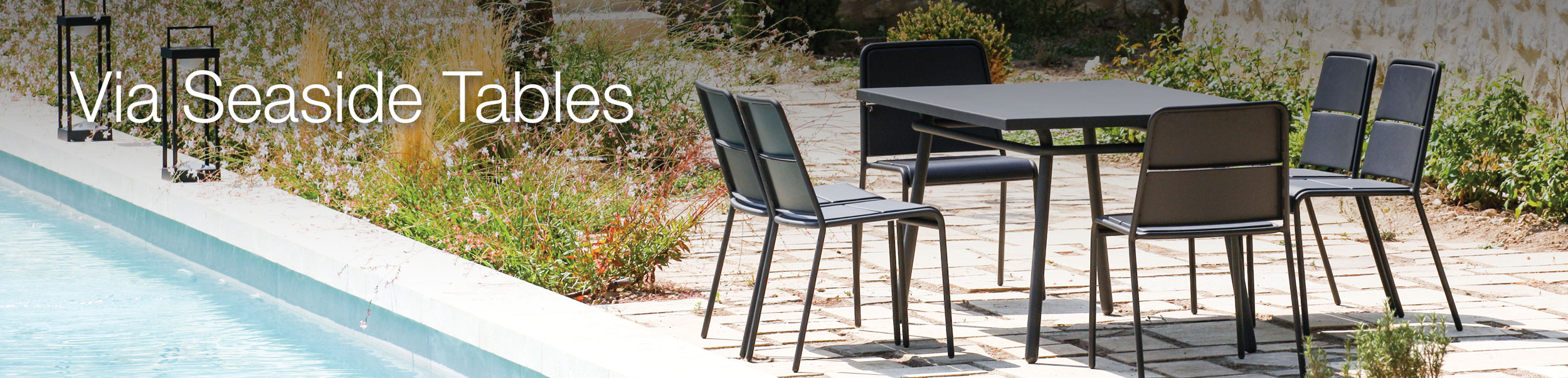

As we look to the future, Nardi Alfa Chaise with Arms the potential for Umbrosa Umbrellas remains bright. With ongoing advancements in materials and design, there is ample opportunity for the brand to pool furniture continue innovating and setting trends within the industry. By staying attuned to consumer needs and environmental considerations, Umbrosa Umbrellas will likely remain a preferred choice for many. Their ability to combine functionality, style, and sustainability positions them pool furniture as a leader in the umbrella market, appealing to a conscientious and fashion-forward consumer base.
Chemical treatments for water and stain resistance have evolved toward more environmentally responsible formulations. Newer fluorocarbon treatments used on Sunbrella fabrics have eliminated PFOA and PFOS (chemicals of environmental concern), though they still use related compounds that persist in the environment. The company continues research into alternative treatments with reduced environmental impact.